In the early 1960s, Egyptian President Gamal Abdel Nasser began exploring nuclear options. Egypt had a research reactor supplied by the Soviet Union in 1961, and rumors abounded that Nasser was interested in acquiring nuclear weapons to counter Israel, especially after Egypt’s defeat in the 1956 Suez Crisis.
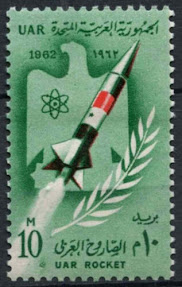 In 1963, Israel became increasingly concerned about Egypt's rocket program, which was supported by German scientists and aimed at developing advanced missile technology. There were claims that Egypt was attempting to equip missiles with radioactive waste and potentially nuclear warheads. During this time, U.S. President John F. Kennedy also pressured Israeli leaders to allow inspections of the Dimona nuclear reactor, fearing that Israel might be developing nuclear weapons.
However, Egypt's progress stalled. The Six-Day War of 1967, in which Egypt suffered a crushing defeat, diverted military and financial resources. After Nasser’s death in 1970 and Sadat’s peace with Israel, Egyptian nuclear ambitions shifted to peaceful energy development.
But Egypt wasn’t the only nuclear concern on Israel’s radar. As one threat faded, another began to rise — this time from the east. In the 1970s, Saddam Hussein’s regime in Iraq, pursued nuclear technology under the pretense of civilian energy. Iraq purchased a French-made Osirak reactor with the help of France and some Italian cooperation. The reactor, officially for peaceful purposes, was not suitable for energy generation, but it was very well-suited for plutonium production—a red flag for nuclear weapons development.
So Begin and his team cook up a plan. A crazy plan. Fly thousands of kilometers into enemy territory, undetected, bomb the reactor before it goes live, and fly back home — all without starting World War III.
The pilots? Hand-picked, young, and fearless. Among them: a future astronaut named Ilan Ramon (maybe a future blog post). They trained for months, memorizing maps, practicing flying just above the desert sand to avoid radar.
And then, on June 7, 1981, they launched. Eight F-16s with F-15 escorts. Silent. Low. Fast. Like shadows across the sand.
They reached the reactor. A few seconds of dive bombing. Boom. The Osirak reactor is reduced to rubble. One direct hit after another. No one even had time to blink.
The pilots turned around and headed home. Mission accomplished. Not a single Israeli aircraft was lost.
Back in Israel? Celebrations. Relief. History made.
Around the world? Not so much. Even the United States condemned it, publicly. But behind the scenes, many would later admit: it probably stopped Saddam from becoming a nuclear-armed tyrant.
When the Gulf War rolled around in 1991, Saddam was launching Scud missiles at Israel — but without nuclear warheads. Operation Opera wasn’t just a surgical strike. It was a message. Don’t mess with us. We’ll stop you before you even start.
Is that the end of the story? Nope.
Iran’s nuclear program began under the Shah in the 1970s, with Western support. But after the 1979 Islamic Revolution, the new regime under Ayatollah Khomeini temporarily halted the program, viewing it as a "Western disease." That attitude changed during the Iran-Iraq War (1980–88).
In the 1990s and 2000s, Iran resumed its nuclear program with Russian and Chinese help. Western intelligence concluded that Iran had covert weapons-related ambitions, especially after revelations about Natanz and Fordow enrichment sites.
As Iraq faded into the history books, a new shadow began to loom over Israel — Iran. Not just any threat, but one wrapped in religious ideology, fiery speeches, and long-range ambitions. Iran's leaders weren't shy. They talked openly — and often — about wiping Israel off the map. And they weren’t just talking. They were backing groups like Hezbollah in Lebanon and Hamas in Gaza — bitter enemies sworn to Israel’s destruction.
But this time, the threat wasn’t just words or rockets. It was uranium enrichment, underground bunkers, and missile silos. Iran was playing a long game — and Israel knew it. If Iran got the bomb, it wouldn’t just tip the balance of power. It could endanger Israel’s very existence.
So, what did Israel do? They got creative. Quiet. Surgical.
 In 2010, computers at Iran’s Natanz facility started acting… strange. Centrifuges spinning out of control. Equipment crashing. It was like the machines had been possessed. But it wasn’t a ghost — it was Stuxnet, a powerful cyberweapon, reportedly built by Israeli and American intelligence. It was the first time a virus acted like a guided missile, and it set Iran’s nuclear ambitions back by years.
But the digital war wasn’t the only front.
Across Tehran and other cities, Iranian nuclear scientists began having very bad luck. Car bombs. Mysterious motorcycle assassins. Silenced pistols in the early morning. No one claimed responsibility, but everyone had a pretty good idea who was behind it. Mossad had sent a message: "We’re watching, and we’ll act before it’s too late."
On the diplomatic stage, things were heating up too. When the world powers signed the 2015 Iran nuclear deal, Israel was furious. Prime Minister Netanyahu even went to the U.S. Congress to protest, saying: This deal doesn’t stop Iran — it paves their path to the bomb. Israel kept up the pressure, even after the U.S. pulled out of the deal, and worked behind the scenes to keep Iran’s nuclear ambitions in check.
The story of nuclear ambitions in the Middle East isn’t over. But if history has shown anything, it’s this: Israel won’t wait for the threat to arrive. It will meet it — in the skies, in cyberspace, and in the shadows.
 On 13th June 2025, after years of threats and actions from the Iranian regime against Israel, Israel finally retaliated and in a 12 day war, Israel totally obliterated the Iranian missile program.

However, Egypt's progress stalled. The Six-Day War of 1967, in which Egypt suffered a crushing defeat, diverted military and financial resources. After Nasser’s death in 1970 and Sadat’s peace with Israel, Egyptian nuclear ambitions shifted to peaceful energy development.
But Egypt wasn’t the only nuclear concern on Israel’s radar. As one threat faded, another began to rise — this time from the east. In the 1970s, Saddam Hussein’s regime in Iraq, pursued nuclear technology under the pretense of civilian energy. Iraq purchased a French-made Osirak reactor with the help of France and some Italian cooperation. The reactor, officially for peaceful purposes, was not suitable for energy generation, but it was very well-suited for plutonium production—a red flag for nuclear weapons development.
So Begin and his team cook up a plan. A crazy plan. Fly thousands of kilometers into enemy territory, undetected, bomb the reactor before it goes live, and fly back home — all without starting World War III.
The pilots? Hand-picked, young, and fearless. Among them: a future astronaut named Ilan Ramon (maybe a future blog post). They trained for months, memorizing maps, practicing flying just above the desert sand to avoid radar.
And then, on June 7, 1981, they launched. Eight F-16s with F-15 escorts. Silent. Low. Fast. Like shadows across the sand.
They reached the reactor. A few seconds of dive bombing. Boom. The Osirak reactor is reduced to rubble. One direct hit after another. No one even had time to blink.
 |
 |
The pilots turned around and headed home. Mission accomplished. Not a single Israeli aircraft was lost.
Back in Israel? Celebrations. Relief. History made.
Around the world? Not so much. Even the United States condemned it, publicly. But behind the scenes, many would later admit: it probably stopped Saddam from becoming a nuclear-armed tyrant.
When the Gulf War rolled around in 1991, Saddam was launching Scud missiles at Israel — but without nuclear warheads. Operation Opera wasn’t just a surgical strike. It was a message. Don’t mess with us. We’ll stop you before you even start.
Is that the end of the story? Nope.
Iran’s nuclear program began under the Shah in the 1970s, with Western support. But after the 1979 Islamic Revolution, the new regime under Ayatollah Khomeini temporarily halted the program, viewing it as a "Western disease." That attitude changed during the Iran-Iraq War (1980–88).
In the 1990s and 2000s, Iran resumed its nuclear program with Russian and Chinese help. Western intelligence concluded that Iran had covert weapons-related ambitions, especially after revelations about Natanz and Fordow enrichment sites.
As Iraq faded into the history books, a new shadow began to loom over Israel — Iran. Not just any threat, but one wrapped in religious ideology, fiery speeches, and long-range ambitions. Iran's leaders weren't shy. They talked openly — and often — about wiping Israel off the map. And they weren’t just talking. They were backing groups like Hezbollah in Lebanon and Hamas in Gaza — bitter enemies sworn to Israel’s destruction.
But this time, the threat wasn’t just words or rockets. It was uranium enrichment, underground bunkers, and missile silos. Iran was playing a long game — and Israel knew it. If Iran got the bomb, it wouldn’t just tip the balance of power. It could endanger Israel’s very existence.
So, what did Israel do? They got creative. Quiet. Surgical.
But the digital war wasn’t the only front.
Across Tehran and other cities, Iranian nuclear scientists began having very bad luck. Car bombs. Mysterious motorcycle assassins. Silenced pistols in the early morning. No one claimed responsibility, but everyone had a pretty good idea who was behind it. Mossad had sent a message: "We’re watching, and we’ll act before it’s too late."
On the diplomatic stage, things were heating up too. When the world powers signed the 2015 Iran nuclear deal, Israel was furious. Prime Minister Netanyahu even went to the U.S. Congress to protest, saying: This deal doesn’t stop Iran — it paves their path to the bomb. Israel kept up the pressure, even after the U.S. pulled out of the deal, and worked behind the scenes to keep Iran’s nuclear ambitions in check.
The story of nuclear ambitions in the Middle East isn’t over. But if history has shown anything, it’s this: Israel won’t wait for the threat to arrive. It will meet it — in the skies, in cyberspace, and in the shadows.
Edited

Realizing that Israel had destroyed all Iran's air defense, this pave the way for the United States to use their bunker buster bombs and destroy the nuclear reactors. The world was saved! For now! China and others may try to replenish supplies, but it has been pushed back.