In the early 1960s, Israel faced a growing threat from its neighbors. The MiG-21, the Soviet Union’s most advanced fighter jet, which was introduced in 1960, was the backbone of Arab air forces, particularly in Egypt, Syria, and Iraq. Israeli pilots had never encountered this aircraft in combat, and intelligence on its capabilities was scarce. If war broke out, Israel needed an advantage—something that would turn the tide in the skies.
 The mastermind behind the operation was Meir Amit, the head of Mossad, Israel’s intelligence agency. Amit was known for his audacious strategies, and he understood that acquiring a MiG-21 would give Israel a vital edge. The plan was endorsed by Prime Minister Levi Eshkol and Major General Mordechai “Mottie” Hod, the commander of the Israeli Air Force. style="padding-left: 10px;"
But how do you steal a top-secret fighter jet? The answer lay in Munir Redfa, an Iraqi Air Force pilot. Munir Redfa, born in 1934 in Baghdad, felt alienated due to his Christian heritage and had grown disgusted with orders to bomb Kurdish villages. Mossad operatives approached him with an offer: defect to Israel, bring the MiG-21, and secure a new life for himself and his family and of course with a million dollars.
After months of secret meetings, Redfa agreed. His family was smuggled out of Iraq before his flight to ensure their safety. Then, on August 16, 1966, Redfa took off on a routine training mission—but instead of returning to his base, he veered toward Israel.
As Redfa flew toward Israeli airspace, Jordanian radar picked up the rogue aircraft. Alarmed, Jordanian authorities issued alerts to nearby air traffic control stations, and two Jordanian Hawker Hunter jets were scrambled to intercept him. But Redfa was flying at over 9000 meters and at high speed, making it nearly impossible for them to catch him. To make matters more confusing, Iraq failed to respond to Jordan’s inquiries, and Syria falsely claimed responsibility for the aircraft, reassuring Jordan that it was part of a training mission. This miscommunication allowed Redfa to cross Jordanian airspace unchallenged.
 As Redfa entered Israeli airspace, he was met by two Dassault Mirage III jets from the Israeli Air Force, which escorted him safely to Hatzor Air Base. Upon landing, Redfa was immediately taken into protective custody, and the MiG-21 was secured for examination.
For Mossad, this was a triumph. Israeli engineers and pilots wasted no time studying the aircraft, uncovering its weaknesses and strengths. The MiG-21 proved to be a goldmine of intelligence. Israeli specialists dissected its technology, learning its flight dynamics, weapon systems, and vulnerabilities. When war erupted in 1967, Israel’s newfound knowledge played a crucial role in achieving air superiority. Israeli pilots used their insights to outmaneuver and destroy dozens of enemy MiG-21s, ensuring dominance over the skies during the Six-Day War. But the significance of Operation Diamond extended beyond Israel. The United States, eager to understand Soviet aviation technology, was granted access to study the aircraft. The insights gained helped U.S. defense planners develop tactics against Soviet-built jets in future conflicts, marking a strategic victory in the Cold War.
After his defection, Redfa lived in Israel for a time before eventually settling in another Western country. He passed away in 1998 due to a heart attack. His MiG-21 remains on display at the Israeli Air Force Museum in Hatzerim, a testament to one of Mossad’s most daring operations.


But how do you steal a top-secret fighter jet? The answer lay in Munir Redfa, an Iraqi Air Force pilot. Munir Redfa, born in 1934 in Baghdad, felt alienated due to his Christian heritage and had grown disgusted with orders to bomb Kurdish villages. Mossad operatives approached him with an offer: defect to Israel, bring the MiG-21, and secure a new life for himself and his family and of course with a million dollars.
After months of secret meetings, Redfa agreed. His family was smuggled out of Iraq before his flight to ensure their safety. Then, on August 16, 1966, Redfa took off on a routine training mission—but instead of returning to his base, he veered toward Israel.
As Redfa flew toward Israeli airspace, Jordanian radar picked up the rogue aircraft. Alarmed, Jordanian authorities issued alerts to nearby air traffic control stations, and two Jordanian Hawker Hunter jets were scrambled to intercept him. But Redfa was flying at over 9000 meters and at high speed, making it nearly impossible for them to catch him. To make matters more confusing, Iraq failed to respond to Jordan’s inquiries, and Syria falsely claimed responsibility for the aircraft, reassuring Jordan that it was part of a training mission. This miscommunication allowed Redfa to cross Jordanian airspace unchallenged.
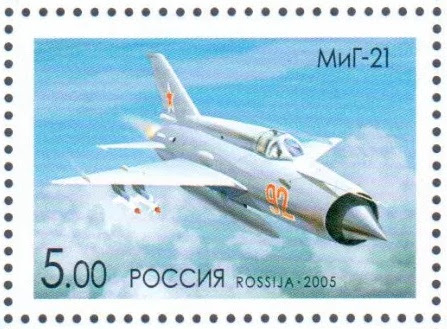
For Mossad, this was a triumph. Israeli engineers and pilots wasted no time studying the aircraft, uncovering its weaknesses and strengths. The MiG-21 proved to be a goldmine of intelligence. Israeli specialists dissected its technology, learning its flight dynamics, weapon systems, and vulnerabilities. When war erupted in 1967, Israel’s newfound knowledge played a crucial role in achieving air superiority. Israeli pilots used their insights to outmaneuver and destroy dozens of enemy MiG-21s, ensuring dominance over the skies during the Six-Day War. But the significance of Operation Diamond extended beyond Israel. The United States, eager to understand Soviet aviation technology, was granted access to study the aircraft. The insights gained helped U.S. defense planners develop tactics against Soviet-built jets in future conflicts, marking a strategic victory in the Cold War.
After his defection, Redfa lived in Israel for a time before eventually settling in another Western country. He passed away in 1998 due to a heart attack. His MiG-21 remains on display at the Israeli Air Force Museum in Hatzerim, a testament to one of Mossad’s most daring operations.
 |
| By Oren Rozen - Own work, CC BY-SA 3.0, https://commons.wikimedia.org/w/index.php?curid=11051235 |